


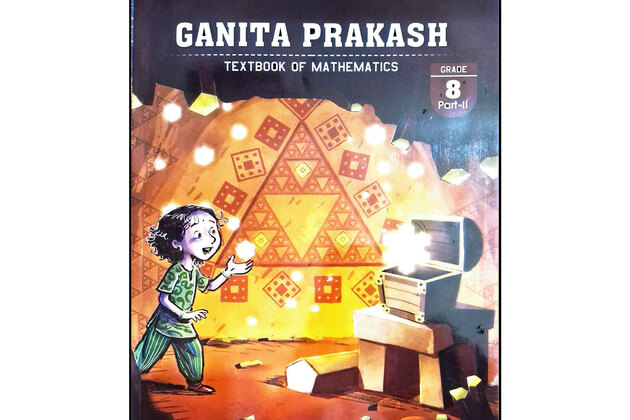
Baudhayana-Pythagoras' Theorem introduced in Class 8 NCERT maths textbook
ANI
30 Dec 2025, 16:30 GMT+10
 Share
Share
 Tweet
Tweet
 Share
Share
 Flip
Flip
 Email
Email
Subscribe and Follow
Get a daily dose of India Gazette news through our daily email, its complimentary and keeps you fully up to date with world and business news as well.


News RELEASES
Publish news of your business, community or sports group, personnel appointments, major event and more by submitting a news release to India Gazette.
More InformationRegulatory hurdles halt Amazon’s drone delivery ambitions in Italy

ROME, Italy: Amazon has shelved its bid to launch drone deliveries in Italy, pulling back from a pilot effort that had shown technical...
Nasdaq drops 119 points as U.S. stock markets retreat

NEW YORK, New York - Major U.S. stock indices closed lower on Monday, pulling back from recent record levels as investors consolidated...
From chips to clouds, firms pour billions into AI capacity race

SANTA CLARA, California: A global scramble to secure computing power for artificial intelligence is driving a wave of multi-billion-dollar...
Bargain hunting rises while returns dip after Christmas rush

NEW YORK CITY, New York: When the last gifts were unwrapped, and the Christmas rush faded, a different picture of holiday shopping...
Beijing proposes tighter oversight of emotionally interactive AI tools

BEIJING, China: China is moving to place new guardrails around artificial intelligence systems that behave like people, publishing...
Beverage giants juggle production needs amid groundwater depletion
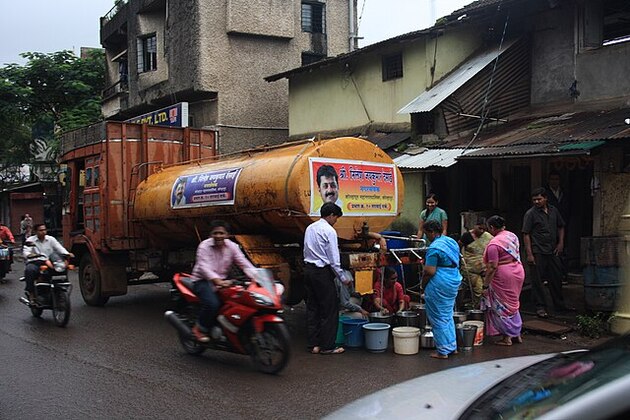
ALWAR, Rajasthan: For global beverage makers operating in India, regulatory hurdles are nothing new. But in Rajasthan, one of the country's...
US communication satellite BlueBird Block2 launched by India’s ISRO
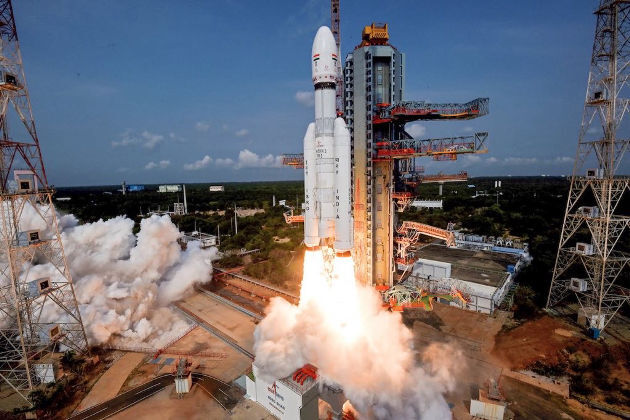
NEW DELHI, India: The Indian Space Research Organisation (ISRO) on December 24 launched a next-generation US communication satellite,...
ISPL 3: Top 5 batters to watch out for as decks cleared for another blockbuster season

Mumbai (Maharashtra) [India], December 30 (ANI): The Indian Street Premier League (ISPL), India's pioneering tennis-ball T10 cricket...
Fit India's 'Sundays on Cycle' marks 55 consecutive editions, draws over 22 million participants

New Delhi [India], December 30 (ANI): Under the Fit India Movement, Sundays on Cycle (SoC) has gained strong momentum as a weekly fitness...
Special session on VB-G RAM G is "unconstitutional and against federal structure": BJP's Tarun Chugh slams Punjab govt
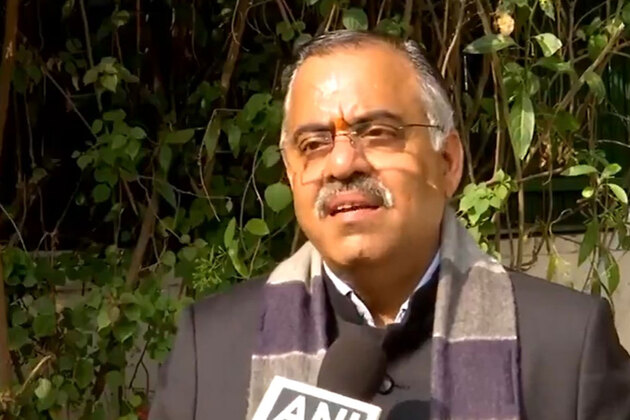
Chandigarh (Punjab) [India], December 30 (ANI): BJP National General Secretary Tarun Chugh on Tuesday criticised the Punjab Assembly...
Baudhayana-Pythagoras' Theorem introduced in Class 8 NCERT maths textbook
By Vishu Adhana New Delhi [India], December 30 (ANI): For generations, Indian students have learnt it simply as the Pythagoras Theorem....
MapmyIndia Mappls adds Metro, Rail, and Bus routes to navigation app
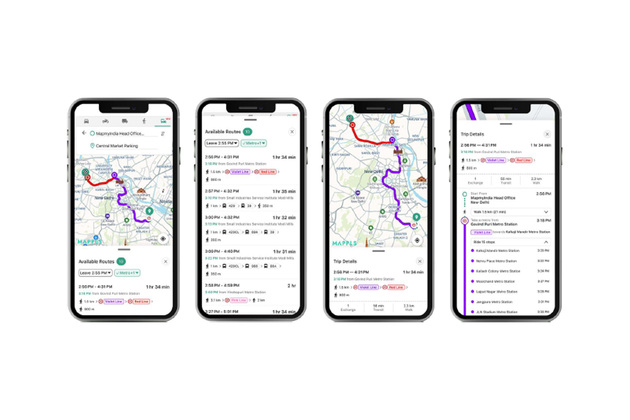
New Delhi [India], December 30 (ANI): MapmyIndia Mappls expanded the features of its Mappls App by adding multimodal public transport...
