


SNAP recipients can’t buy soda, candy with food stamps in US
Mohan Sinha
05 Jan 2026, 17:22 GMT+10

 Share
Share
 Tweet
Tweet
 Share
Share
 Flip
Flip
 Email
Email
Subscribe and Follow
Get a daily dose of India Gazette news through our daily email, its complimentary and keeps you fully up to date with world and business news as well.


News RELEASES
Publish news of your business, community or sports group, personnel appointments, major event and more by submitting a news release to India Gazette.
More InformationSNAP recipients can’t buy soda, candy with food stamps in US
WASHINGTON, D.C.: Starting January 1, Americans in five states who receive food stamps from the government to pay for groceries were...
Millions face steep health premium hikes after tax credits expire

NEW YORK CITY, New York: Millions of Americans are beginning 2026 facing sharply higher health insurance bills after enhanced Affordable...
Bangladesh, Nepal, Bhutan allowed into Coal India coal auctions
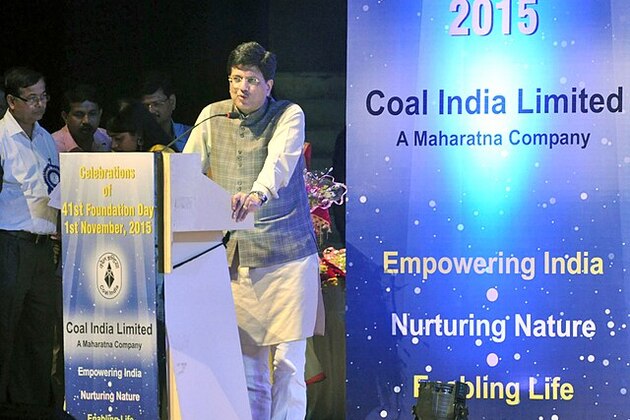
NEW DELHI, India: India's largest coal producer is widening its sales net beyond domestic buyers as slowing power-sector demand weighs...
Manufacturing and AI boom lift Singapore's GDP well above forecasts
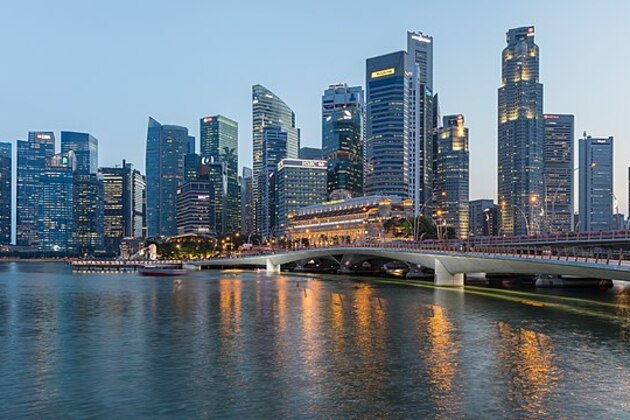
SINGAPORE: A late-year surge in manufacturing and technology demand powered Singapore's economy to its strongest annual expansion in...
Many of Trump’s tariff threats in 2025 remained unfulfilled
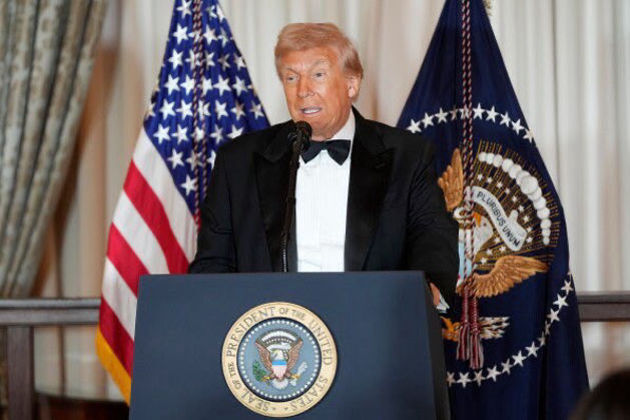
WASHINGTON, D.C: President Donald Trump made a lot of tariff threats and trade promises. Many materialized into new import taxes that...
Politics, debt and scepticism stall euro adoption across EU
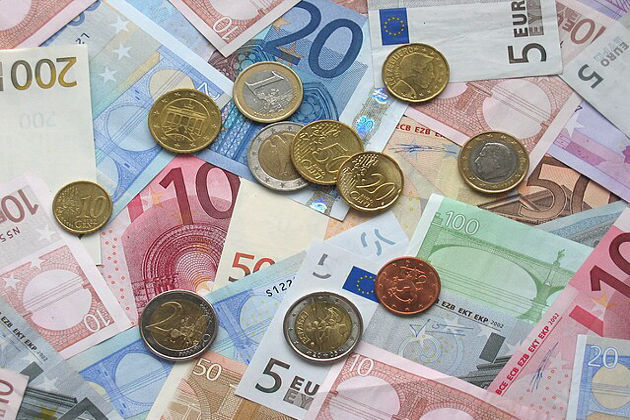
BRUSSELS, Belgium: Bulgaria's entry into the euro zone this week has narrowed the list of European Union countries still using national...
Bangladesh, Nepal, Bhutan allowed into Coal India coal auctions
NEW DELHI, India: India's largest coal producer is widening its sales net beyond domestic buyers as slowing power-sector demand weighs...
Musk says Neuralink to automate surgery, scale implants next year
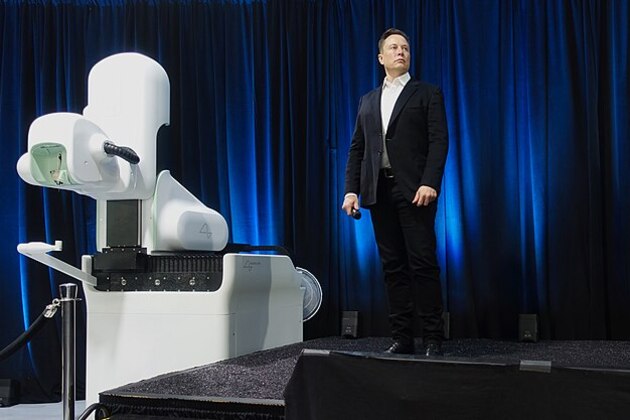
BENGALURU, India: After moving from laboratory testing to human use, Neuralink is preparing its next leap: large-scale manufacturing...
ITC, Godfrey Phillips slide as excise duty raises price risks
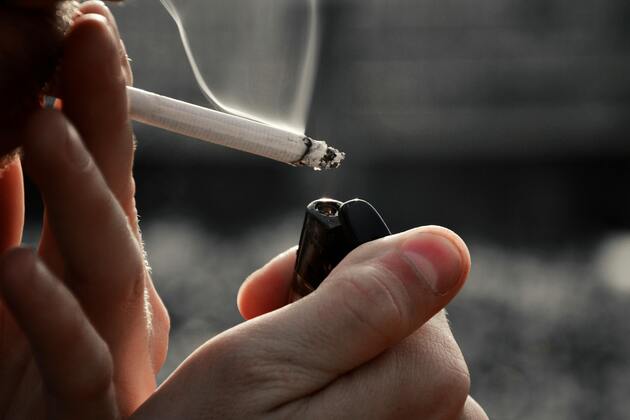
MUMBAI, India: A surprise increase in excise duty on cigarettes triggered a sharp selloff in Indian tobacco stocks, as investors weighed...
Coast Guards instill fear in enemies, secure India's maritime borders: Rajnath Singh

Dabolim (Goa) [India], January 5 (ANI): Defence Minister Rajnath Singh on Monday said that the Indian Coast Guard (ICG) has made country's...
Uttar Pradesh CM Yogi Adityanath meets Prime Minister Modi in Delhi
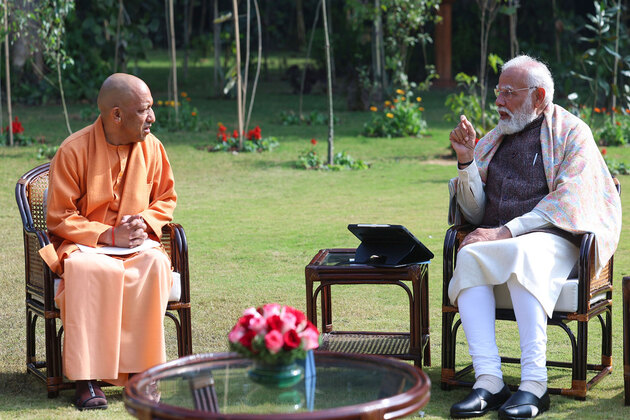
New Delhi [India], January 5 (ANI): Uttar Pradesh Chief Minister Yogi Adityanath on Monday met Prime Minister Narendra Modi in New...
Delhi Blast case: NIA court sends accused Yasir Ahmed Dar in judicial custody after interrogation
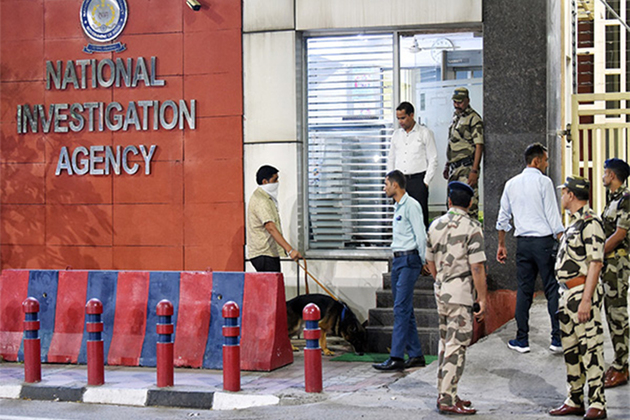
New Delhi [India], January 5 (ANI): Special NIA court at Patiala House on Monday remanded Yasir Ahmed Dar to judicial custody till...
